If you are deciding between June and July for an Amboseli safari, you are choosing between two strong months. The comparison is not good versus bad. It is a question of what you are optimizing for: shoulder-season value with very good conditions, or peak-season confidence with the clearest dry-season experience the park offers.
Both months fall inside Amboseli’s dry season. Both deliver the open-habitat wildlife viewing and the elephant encounters that make the park compelling. The difference is in degree, not in category.
Amboseli in June
June is when Amboseli’s dry season re-establishes itself after the long rains. April and May are the wettest months. By June, the park is drying out, vegetation is becoming more open, and the daily safari rhythm is returning to the reliable structure that makes Amboseli so accessible.
What June typically offers:
- Improving road conditions as the ground dries after April and May
- Cooler mornings that suit long game drives
- Better wildlife visibility as vegetation thins
- Fewer visitors than July, which is the beginning of peak international travel season
- Accommodation rates that have not yet climbed to full peak levels
The strongest argument for June is the value calculation. You are getting conditions that are very close to July’s best, with the price and crowd level of a shoulder month. For travellers who are flexible enough to book outside the most obvious dates, June often represents the most efficient month in the whole Amboseli dry season.
The honest trade-off: early June can still carry some residual wet-season variability. A late April or May rainy spell sometimes lingers into the first two weeks of June. By mid-June, conditions are usually reliably dry. If you are travelling in early June, build enough stay length to absorb any remaining variability.
Amboseli in July
July is one of the most straightforward months to recommend in the entire Amboseli calendar. It sits deep inside the dry season. Conditions are settled. Wildlife patterns are predictable. Kilimanjaro visibility is at its most consistent. The park is functioning at the version of itself that most people imagine when they picture Amboseli.
What July typically offers:
- Fully established dry-season structure
- High Kilimanjaro visibility, particularly in the first hours after sunrise
- Easy wildlife reading with elephants concentrated around the swamp system
- Clear, dust-hazed skies that give the landscape its classic amber and blue quality
- The strongest conditions for first-time visitors and photographers chasing the iconic imagery
The trade-off for July is demand. It is a popular month. European and North American school holidays, the start of the Maasai Mara migration season, and the general clustering of international safari travel around July and August mean that accommodation prices are higher, availability moves faster, and the park sees more vehicles.
That last point — vehicle density — is worth noting. Amboseli at peak season is not as pressured as the Maasai Mara, but popular sightings at well-known locations can still attract multiple vehicles. The experience is not ruined by this, but it is different from a quieter month.
Wildlife: The Month-by-Month Difference
Elephants are the constant. Both June and July give reliable elephant encounters in the swamp zone and on the open plains. The species does not behave dramatically differently between the two months.
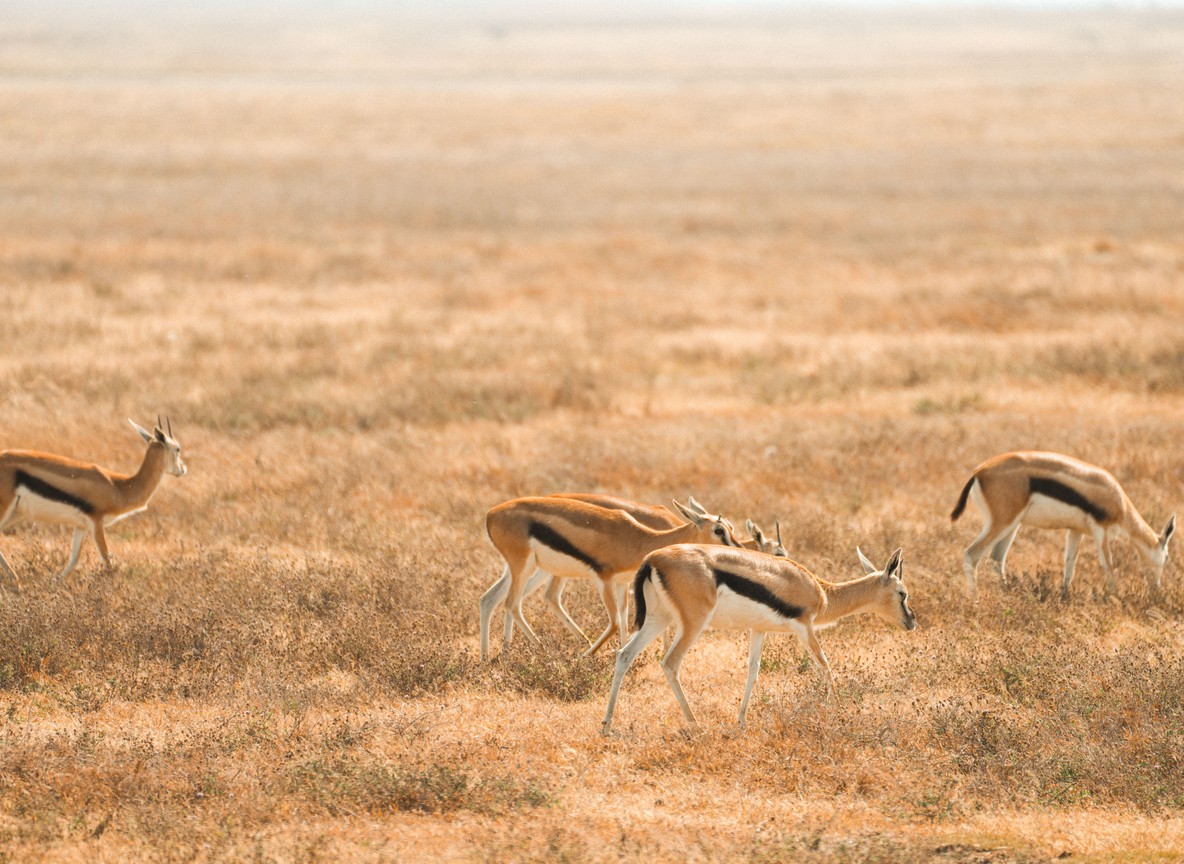
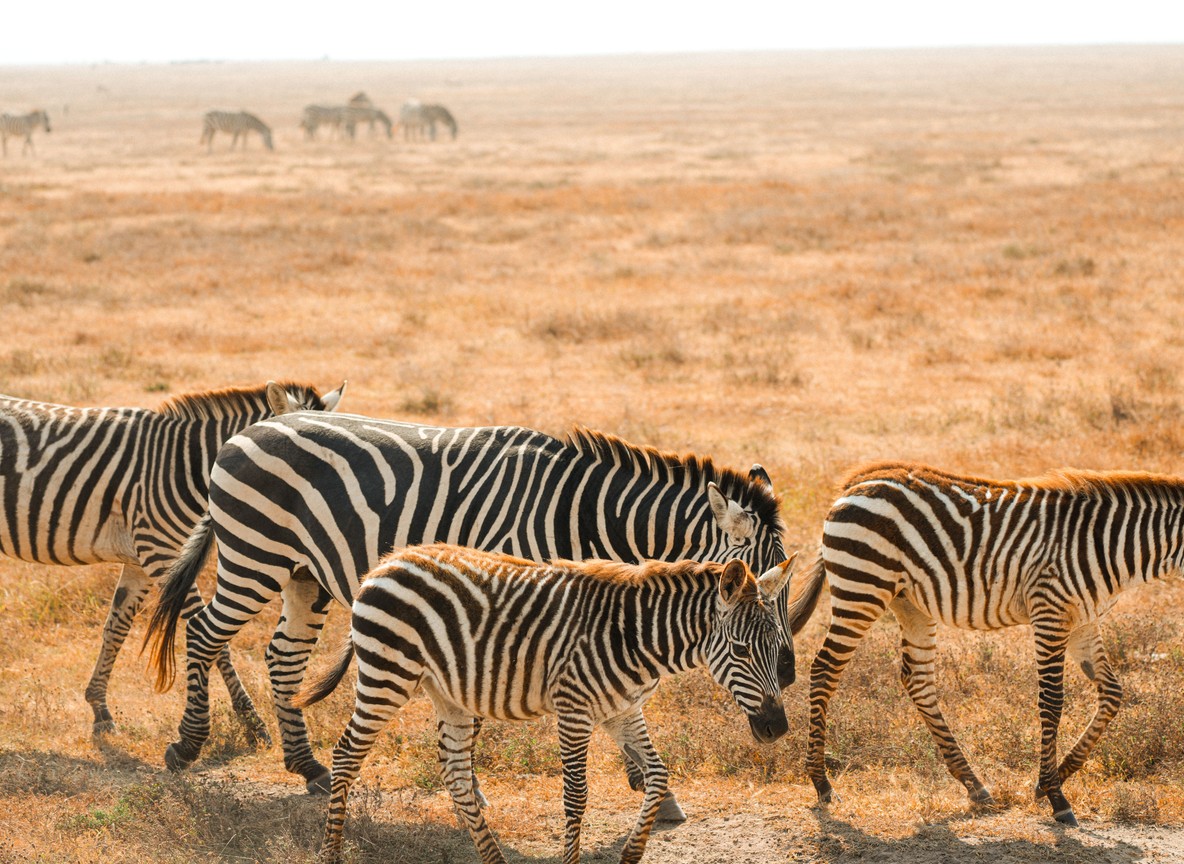
For general wildlife — predators, giraffe, zebra, and the plains game populations — July is slightly stronger because the dry-season structure is fully established. Predators concentrate more predictably around the limited water sources. Herd movements are more regular and easier to read.
For birding, June can actually hold its own. The transition from wet to dry season often results in a mixed-habitat period where both resident species and late migrants are present.
The honest summary: July edges June on wildlife reliability, but not by a margin that should drive the decision on its own. Other factors — value, crowd levels, trip length — often matter more.
Kilimanjaro Views: How the Two Months Compare
This is where July has the clearest advantage.
Kilimanjaro views in Amboseli are always weather-dependent. The mountain can be obscured by cloud at any time of year. But July’s deep dry-season positioning gives the best odds across the calendar for multiple clear-mountain mornings in a row.
June is still good. Particularly in the second half of the month, once the dry-season structure is fully established, clear mornings are common. But the probability of a week in June including four or five excellent mountain mornings is lower than the same probability in July.
If the mountain is a major reason for the trip — if the classic Amboseli photograph is on the agenda — July is the safer choice. If the mountain is important but not the whole story, June is worth the slightly higher uncertainty.
Value: Where June Gains Real Ground
For practical-minded travellers, the value difference between June and July can be significant.
Peak-season rates in Amboseli — which generally run from July through October and again in January and February — are noticeably higher than the shoulder and low-season rates that apply through much of June. The gap varies by property, but it can represent 15 to 30 percent on accommodation rates, and sometimes more at higher-tier camps.
For a trip of four or five nights, that difference can be substantial. And it comes in exchange for conditions that are only marginally less optimal than peak season.
The value argument for June is not that conditions are as good as July. They are close. The argument is that the gap between June and July conditions is much smaller than the gap between June and July prices.
Who Should Choose June
- Travellers whose primary goal is wildlife quality at the best available price for conditions
- Repeat visitors to Amboseli who have seen the peak-season version and want a quieter experience
- Guests who are flexible on exact dates and can plan around mid-to-late June specifically
- Multi-park itinerary travellers for whom the Amboseli leg is one component of a longer Kenya trip and efficiency matters
Who Should Choose July
- First-time Amboseli visitors who want the most straightforward version of the park
- Travellers for whom the Kilimanjaro photography is a high priority
- Anyone planning around family or school-holiday schedules that fix July as the travel window
- Short-stay visitors (2 nights) who want peak certainty because there is no room for variability
Explorer Notes
The dry season in Amboseli produces a particular quality of morning light that is worth planning around. The plains are dusty, the air is dry, and the low sun comes through with a warmth and depth that is hard to describe to someone who has not seen it. In both June and July, waking up before dawn and being in a vehicle position to catch the first light over the swamp — with Kilimanjaro lit from the side before it is lit from above — is one of those wildlife photography conditions that exist almost nowhere else on the continent.
The swamp edges at Amboseli are productive regardless of month. Hippos return to water through the early morning, elephant families move in from the overnight ranges, and the light over the wetland creates reflections that change minute by minute. Both June and July give excellent access to this experience.
For month-by-month seasonal planning guides covering Amboseli and other Kenya safari destinations, touringinsights.com is a useful resource for independent trip research.
Quick Comparison
| Factor | June | July |
|---|---|---|
| Wildlife visibility | Very good | Excellent |
| Kilimanjaro reliability | Very good | Excellent |
| Value | Better | Higher cost |
| Crowd levels | Lower | Higher |
| First-time safari fit | Strong | Strongest |
| Early-month variability | Some possible | Minimal |
Conclusion
June and July are both excellent months in Amboseli. The choice between them is less a question of good versus great and more a question of what matters most for your specific trip.
If the priority is the safest, most reliable peak dry-season experience without caveats, July is the cleaner answer. If the priority is getting conditions that are close to July’s best while avoiding the peak pricing and crowds, mid-to-late June is a compelling alternative.
Neither month will leave a well-planned trip feeling like the wrong call.
Next Steps
If you are finalizing your Amboseli timing, the most useful next step is to check accommodation availability and pricing for both months before making a final decision. In many years, the June-to-July rate difference is visible and significant. For broader Kenya safari timing guides and month-by-month breakdowns of all major destinations, visit touringinsights.com.
Have questions about this itinerary or destination? Get answers from a safari specialist before you commit.
Inquire More